When a Stainless Steel Cable Tie Is the Right Call
Nylon ties degrade in UV, heat, oil, and chemical exposure. Stainless steel cable ties last where nylon doesn't:
- Outdoor and UV-exposed cable runs: Tray cables, overhead lines, solar fields
- Asset tagging on equipment that moves between yards or job sites
- Hot environments: Turbine compartments, exhaust systems, foundry equipment
- Corrosive process areas: Refineries, chemical plants, marine
- Pipe and conduit identification with attached marker plates
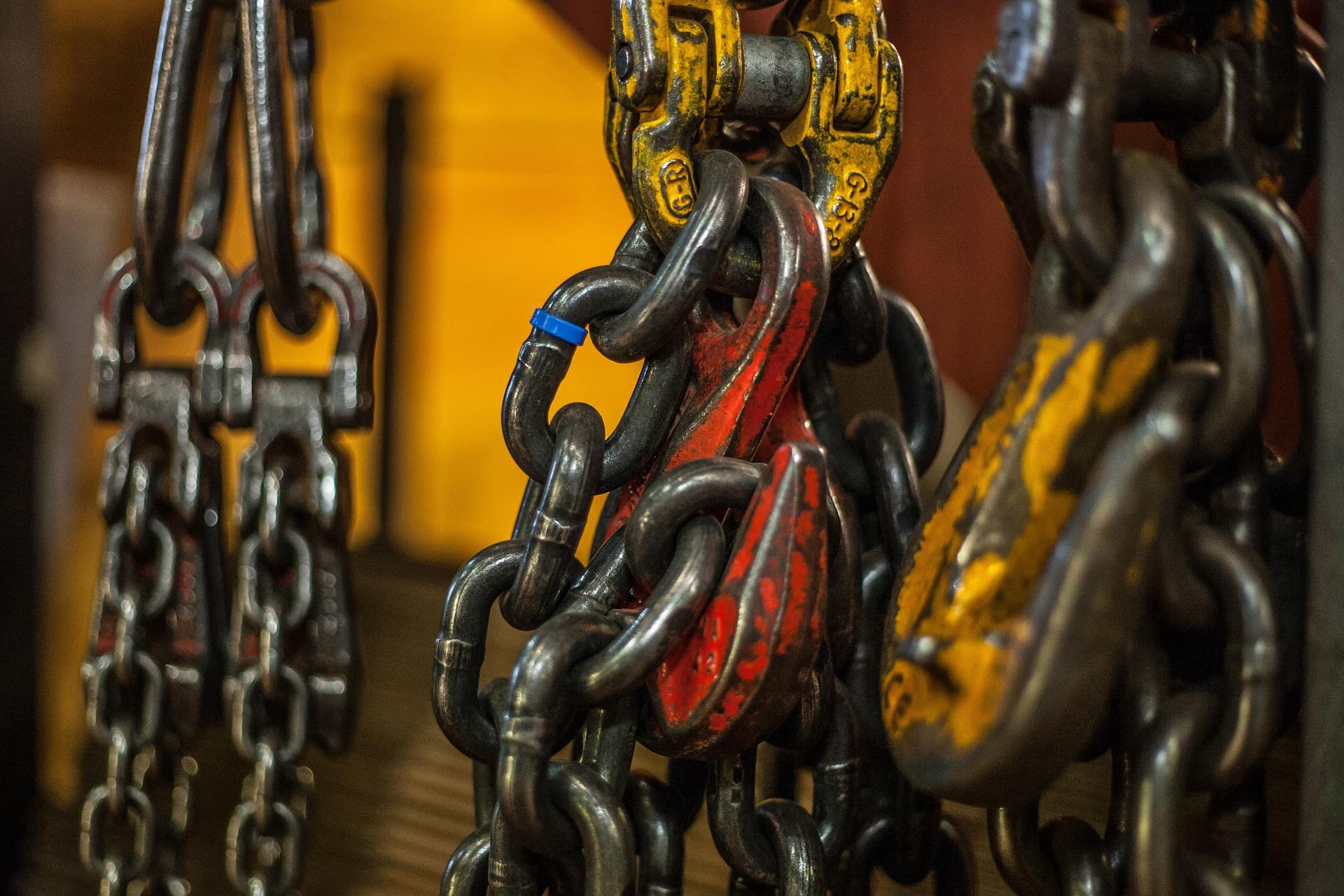
- Sling and rigging tags paired with lifting and rigging identification
The combination of a stainless tie plus a metal marker plate carrying your identification data, replaces a tag-plus-zip-tie assembly with a single durable unit.
Industrial Cable Tie Specifications
| Details | |
|---|---|
Material | 316 stainless steel — the standard for corrosion resistance, marine exposure, and chemical contact. Other grades available on request. |
Lengths | 4" through 36" in standard increments. Longer lengths and bundled multi-tie configurations available. |
Marking and ID plates | Laser etching: High-resolution permanent marking, excellent for serial numbers, barcodes, and 2D Data Matrix codes |
Embossing: Raised character marking that survives surface abrasion | |
Printed plates: Anodized aluminum or stainless ID plates with printed graphics, attached to the tie | |
Plain ties: For applications where ID is not required | |
Variable data | Sequential serial numbers, customer-supplied data files, barcodes, QR codes, and 2D Data Matrix all supported. |
Pairing With the Rest of the Line
Cable ties are often part of a broader identification program. We routinely supply ties alongside:
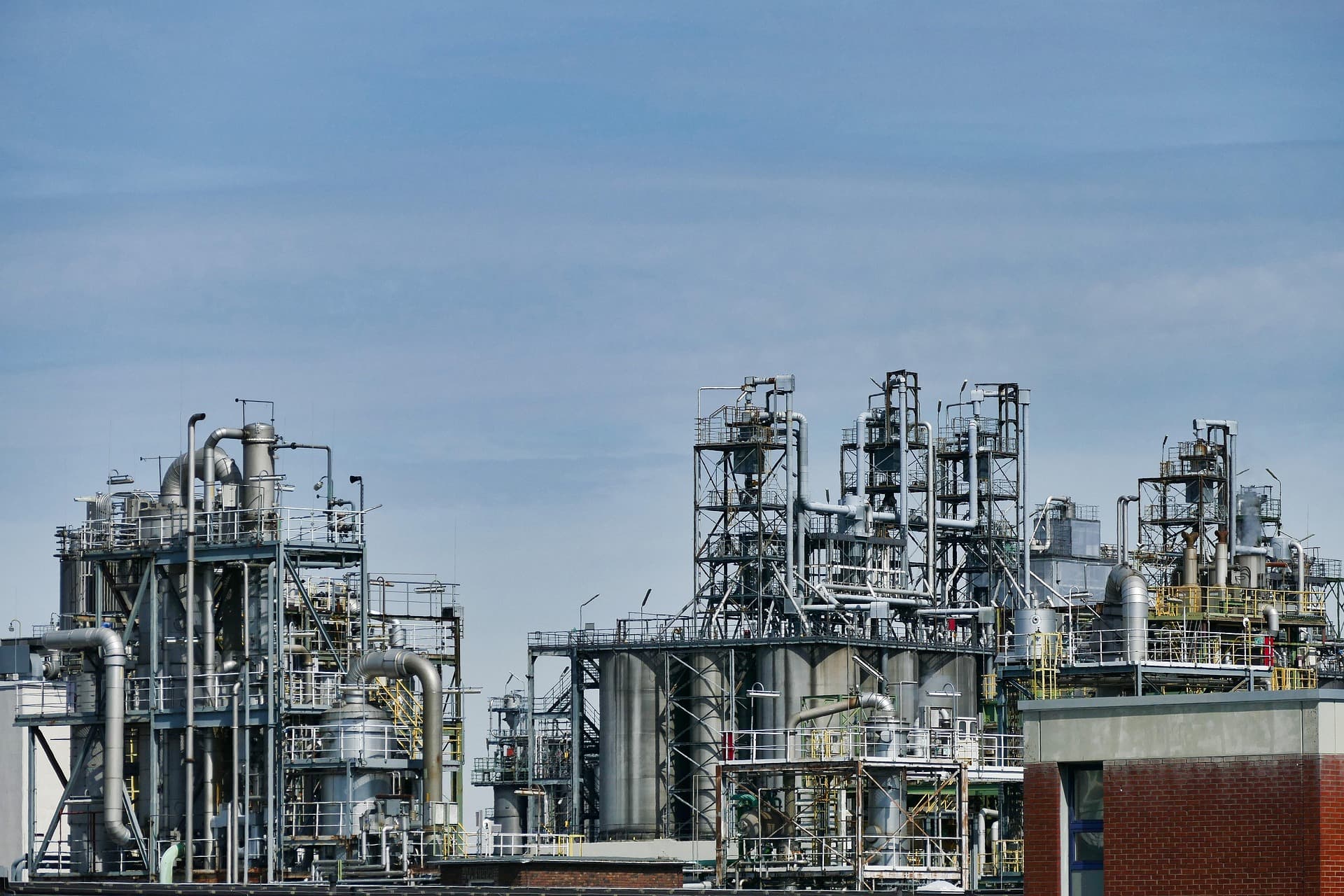 Industrial NameplatesFor the equipment the cable feeds
 Stainless Steel NameplatesFor matching equipment ID plates
 Holland RFIDTags where machine-readable asset tracking is needed alongside visible identification
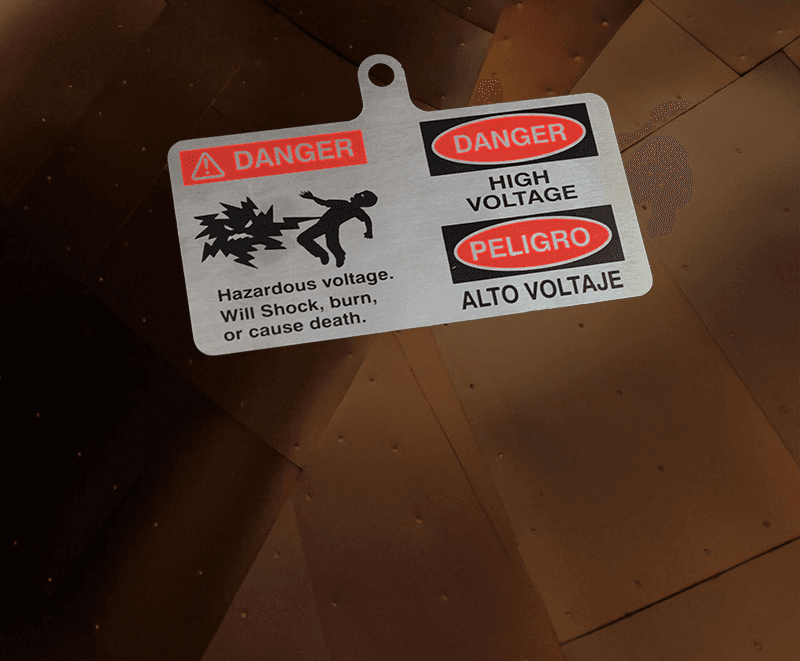
 Safety NameplatesFor warning and safety signage
Compliance and Certifications
Cable ties are produced under our ISO 9001:2015 certified quality management system. Material certifications for 316 stainless are available on request for regulated applications.
Frequently Asked Questions
316 stainless ties maintain their mechanical properties from cryogenic service up to roughly 1000°F (538°C) continuous; far beyond the ~185°F limit of standard nylon 6/6. In practice, the limiting factor is usually the attached marker plate or coating rather than the tie itself, so tell us your service temperature, and we'll spec the full assembly accordingly.
Yes. Send a CSV (or similar data file) and we'll laser-mark or print your data (sequential serials, randomized IDs, barcodes, QR codes, or 2D Data Matrix) directly on the ties or their attached plates. Each tie ships matched to its record, so there's no field marking or cross-referencing on your end.
No hard minimum. We run everything from prototype quantities to full production volumes; quantity affects per-piece pricing, not whether we'll take the order. If you're validating a design, order a handful first.
Yes, a tensioning tool that pulls the tie to a set tension and cuts the tail flush. Consistent tension matters both for holding strength and for avoiding sharp cut edges on the tail. We can include the tool with your first order.
No, the plate is permanently attached during production, which is the point for tamper-evident and permanent-ID applications. If you need a tag that transfers between assets, ask about our chain- or wire-attached tag alternatives instead.
Mechanically they're comparable; a 316 stainless band with a self-locking head. The difference is what's on the tie: we manufacture the marker plate, mark your variable data, and ship the complete identified assembly as one part number. If you're currently buying ties and tags separately and marrying them in-house, that's the step we eliminate.
Request a quote for cable ties
Send us your specification and we'll reply with pricing and lead time.